Outside Economics

There's a Nap For That

Posted by Wendell Brock on Fri, May 26, 2023

There's a Nap For That

  • Wendell Brock
  • May 26, 2023
  • 2 min read

Who hasn’t sat at their desk and wished for a nap at least once? In today’s world most people run a fast paced life with more things to do than there is time for. It’s exhausting and can lead to a lot of fatigue during working hours. Fortunately, there’s something you can do. Take a nap.

According to the CDC both short and long naps can increase alertness. A short nap is usually 15-30 minutes, whereas a long nap is an hour to 1.5 hours. This period of actual sleep benefits our brains and our bodies, more so than just a quiet rest period.


Research has shown that people who frequently take naps tend to perform better at work, school, and athletics and make them more productive. While not feeling sleepy is its own perk, people who nap and feel well-rested tend to experience less stress and reduced tension, which can lower your blood pressure and reduce your risk of heart disease. Well-rested, nap-taking people also tend to have healthier immune systems, which means fewer sick days. A nap can also directly improve your mood and help you regulate emotions, helping you stay calm during stressful situations without getting as flustered. Do you tend to forget names or faces, or sometimes you can’t remember a specific word? Napping could help with that. According to Johns Hopkins and the Mayo Clinic naps can improve memory and recall.

A short nap, 15-20 minutes, during the day is recommended. This allows your body to rest and recharge without the groggy feeling upon awakening. Longer naps allow your body to enter a deep sleep stage and can be harder to wake from, leaving you feeling groggy, so should be taken towards the end of the day or on days when you have more time.

So, if you find yourself regularly overcome with fatigue or experiencing high levels of stress in your life, consider adding naps to your daily schedule, perhaps as part of your lunch break!




The "Just in Case" Fund

Posted by Wendell Brock on Fri, May 19, 2023

The "Just in Case" Fund

  • Wendell Brock
  • May 19, 2023
  • 2 min read


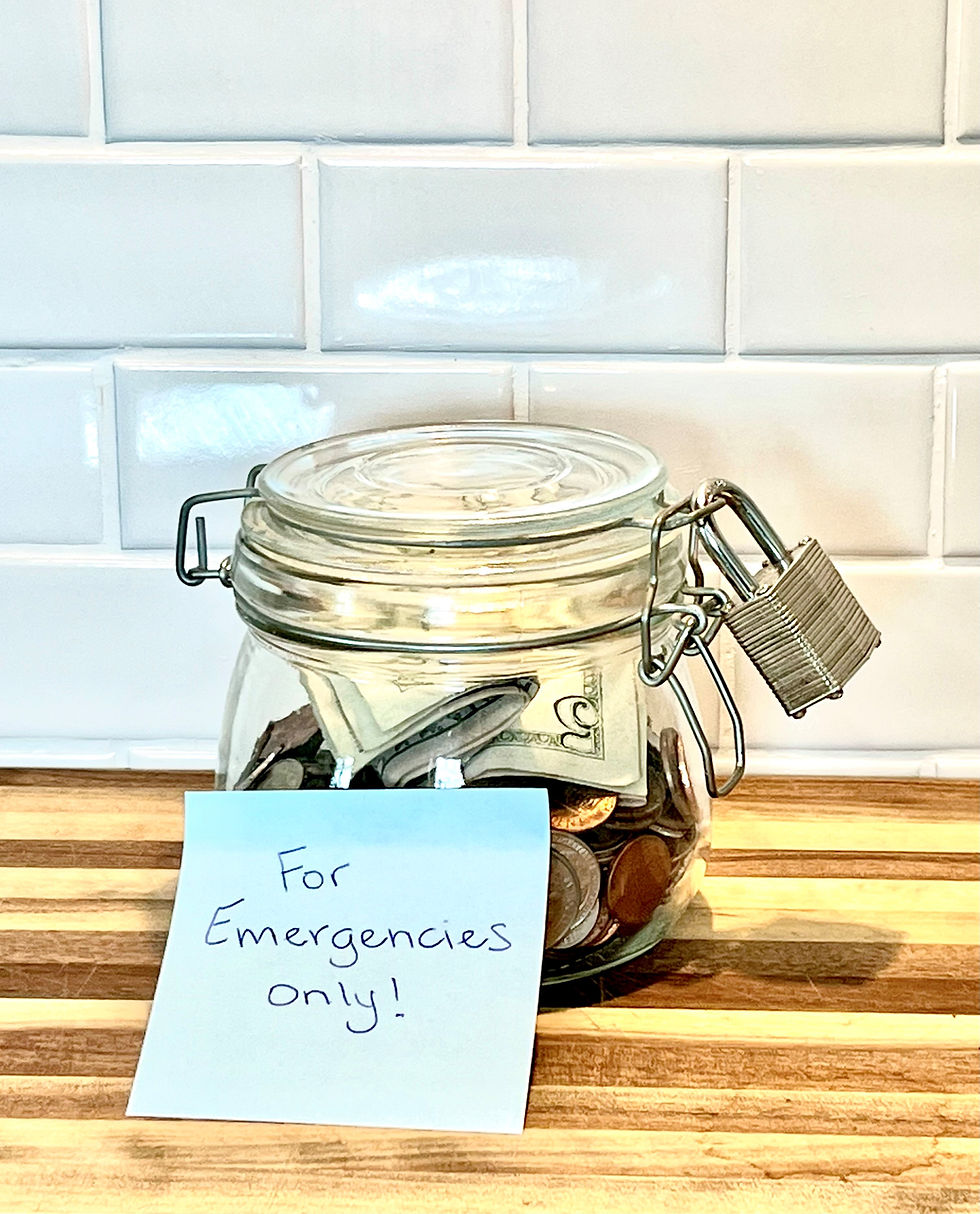
Imagine a perfect day. The sun is shining, the birds are singing, and everything is going your way…until suddenly it’s not. We’ve all experienced unexpected turns in our lives. Perhaps you lost a job, an auto accident, developed serious health problems, or simply had an appliance break down. Things happen, and it can be costly, especially if you don’t have an emergency fund.


Having a dedicated savings account specifically for emergencies could be the difference between drowning in bills and stress or gracefully working through the difficulty. Having intentionally set money aside will allow you to navigate potential financial hardship and recover quicker.


The amount of money dedicated to an emergency fund will vary from person to person, depending on each unique situation. However, a general rule of thumb is to have enough in your fund to cover 3-6 months of your bills and expenses. Set a goal amount, then break that amount into smaller milestone amounts. Saving towards those smaller amounts is very attainable and will lead to greater savings. As you continue to save it gives you a sense of satisfaction and achievement.

The habit of saving is more important than the amount of saving! For some people, it might be a struggle to put money aside, especially those living paycheck to paycheck, but even little amounts of money set aside will add up and give you a financial cushion. There are many strategies for putting money aside, even ones as simple as putting aside your extra change will help. You could save a percentage of your income each paycheck, something as small as 1 to 3%.

There may be times when you receive a large sum of money, like a tax return, a gift, or inheritance. It may be tempting to spend that money, but this is a wonderful opportunity to grow your emergency fund. By putting a portion of that large sum in your emergency fund you are investing in yourself and your future stability.

Once you have an emergency fund established…when should you use it? Remember that this is an EMERGENCY fund. This is not a back-up fund. This is not a fund that you dip into if you don’t have enough to make a purchase. It is a good practice to establish guidelines; decide beforehand what you consider an emergency. This is important to establish because not all unexpected situations are real emergencies. We often create our own emergencies; we can justify our spending for anything.

When emergencies arise, this reserve fund can help you avoid turning to other sources like credit cards or loans, which will end up costing you more money. If you use your emergency fund remember to replenish it as soon as possible so you can be prepared for the next unexpected situation. Stay prepared and enjoy a Secure Tomorrow.


Image 1 by mosi knife

Image 2 by Simran Sood


But How Do the Eggs Get to the Store?

Posted by Wendell Brock on Fri, May 05, 2023

But How Do the Eggs Get to the Store?

  • Wendell Brock
  • May 5, 2023
  • 2 min read

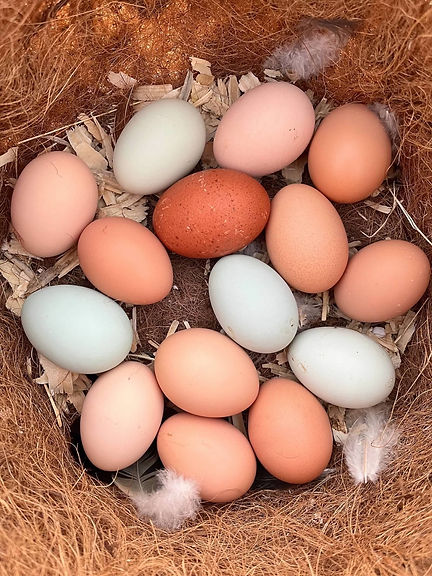
Everyday consumers go to the grocery store and purchase eggs. Gross Domestic Product (GDP) tracks that purchase, as well as all the other purchases made by consumers. In our last article we wrote on GDP and how it is used to monitor the current economy by measuring the monetary value of final goods and services purchased by a final consumer. But this leaves out a huge piece of the economic picture. How did the eggs get to the grocery store? What happened, and more importantly, how much was spent, getting them on the store shelf? There is another tool that allows us to see deeper into the economy and gives a clearer picture of what’s really going on called Gross Output (GO).


Gross Output depicts a different narrative. It generates a deeper, more encompassing view of the economy, showing the central role that businesses’ purchasing and spending plays in the national income and economic health. GO not only includes the final sale of an item (GDP), but all the purchasing that takes place in between, meaning you can measure the economy at all stages of production. You can think of it like the difference between an x-ray, which shows the general internal map and structure, and a CT scan, which shows a more detailed picture of not just bones, but organs and tissues as well. GDP shows a basic overview, just like the x-ray, but the GO shows us deeper and more complex systems and functions.

GDP ignores business to business activity and supply chains, which is more than half the spending that takes place in our economy. This makes it seem like consumer spending makes up the majority of the economy, but consumers can’t consume unless there are products being made in the first place, and those products can’t be made without spending and

purchasing on a production and manufacturing level. Leaving out the supply chain is a huge omission; this is why the GO is so important to track. Imagine only tracking the purchase of eggs to determine the health of the economy, instead of factoring in the cost of keeping and feeding the chicken, the farm, the packaging plant, and the delivery truck.

Gross domestic product (GDP) showed 2.6% growth in the fourth quarter, but gross output (GO, which measures spending during all stages of production) only grew by 1% or less. GO and GDP don’t always move in the same direction or at the same rate. GO tends to drop more but recover quicker. However, studies have shown that whenever GO grows at a slower pace than GDP, it suggests a slowdown or recession is in the future.

All this isn’t to say that GDP doesn’t have a place or doesn’t have value. As Mark Skousen, PhD. explains, “GO is the ‘top line’ in national income accounting; GDP is the bottom line. GO and GDP are complementary but tell different stories.” Gross Output is another tool in our box that can help us better understand the current economy and help us see where the growth is happening.


120514_WWBrock_1

Wendell W. Brock, MBA, ChFC

Subscribe by Email

Follow Me

Most Popular Posts

Other Sites I Follow, hobbies, fun and info:

gold-vs-silver-1.jpg  Nauvoo Mint brokerage services for precious metals


john Mauldin chair

Note:

Outside Economics is not a registered investment advisory firm (RIA) and does not act as an RIA. Outside Economics does not provide any specific investment advice. Any information obtained from this website or through one of  Outside Economics' representatives should be reviewed by a professional.

Subscribers Note: We do not sell our email list. Period. Thank you for subscribing.

Recent Posts