Outside Economics

It’s a Walk In the Park

Posted by Wendell Brock on Tue, Jul 25, 2023

It’s a Walk In the Park

  • Wendell Brock
  • Jul 25, 2023
  • 1 min read

424. That’s the number of national parks in the United States. Though most people think of the grand sprawling parks like Yellowstone, the Grand Canyon, and the Everglades, our national parks encompass far more than the 63 traditional “National Parks.” There are national preserves, monuments, memorials, historical sites, battlefields, as well as recreational areas. Beyond that, that are over 3,700 state parks in the U.S. covering more than 14 million acres.


So why do we have so many designated parks? Why should we care?


State and national parks provide an array of recreational opportunities in a relatively close setting. These parks also serve as protected spaces preserving natural resources, wildlife, habitats, fresh water sources, and clean air. Having clean green spaces ensures the health of our environment and helps maintain healthy ecosystems. Whether it’s a quick getaway or an extended trip, visiting a state or national park can be an enriching and memorable experience. Those experiences help fill our gratitude bucket, deepening our appreciation for our country’s diverse landscape, resources and history.


Let’s Get the Snowball Rolling

Posted by Wendell Brock on Tue, Jul 18, 2023

Let’s Get the Snowball Rolling

  • Wendell Brock
  • Jul 18, 2023
  • 2 min read

When money is tight most people find ways to cut back, making their money go farther, but if you have a lot of debt, the best way to create more wiggle room in your budget is to eliminate the debt. This can seem like a very overwhelming task, but if you approach it in a simple straight forward way, the task becomes very manageable.

Snowballing debt has become the go-to method for many people. So, how do you get that snowball rolling? First and foremost you have to make a commitment to STOP borrowing money!

Before beginning the snowball method it’s important to establish a budget and make sure you have enough money to cover all your minimum payments as well as the extra required for power-paying your smallest debt. It’s important to establish how much money you will be able to add to the first debt’s minimum payment. You don’t want to create more problems - you can’t rob Peter to pay Paul; you can’t pay off debt by creating more debt.


The first step is to list your debts in order of the from smallest to largest. Unlike some other methods, when using the snowball method you ignore the interest rate of the debts, you are solely looking at the overall amount still owed, and the monthly cash flow for each obligation. Each month you will put the extra money you budgeted toward the smallest debt along with its minimum payment.

Once the smallest debt is paid off, take the amount you were paying toward the smallest debt and apply it toward the next smallest debt. Now, you will be paying the minimum amount plus the previous bills minimum, plus the extra budgeted money. This is where the snowball starts rolling. The added money going towards the second debt allows you to pay it off even faster than if you were simply paying the extra budgeted money.

Pretty soon, the second debt will be paid off. Using all the money (from the first debt, the second debt, and the budget money) you will continue to pay off the debts moving upward toward the larger debts until they are all paid off. Each time you pay off a debt the money is applied to the next debt up the line, which will be larger, thus paying it off quicker.

Continue to make the minimum payments on all your debts, except the one you are currently snowballing, which will be receiving the added payments. The more money you can put towards your next payment the bigger your snowball gets and the faster your debt is eliminated!

Remember to stay up to date on all your bills. If you are behind in anything, it’s important to get things caught up before starting the snowball method. If you are struggling to bring things up to date you can contact your lenders to see if there are options for adjusting payments or due dates.

Getting out of debt can be hard, it takes, sacrifice and self-discipline, but the reward is financial freedom, giving you back the reins on your finances. Remember to focus on how awesome it feels to have paid off a debt!


Does Drought Really Dry Up the Economy?

Posted by Wendell Brock on Tue, Jul 11, 2023

Does Drought Really Dry Up the Economy?

  • Wendell Brock
  • Jul 11, 2023
  • 3 min read

Updated: Jul 17, 2023

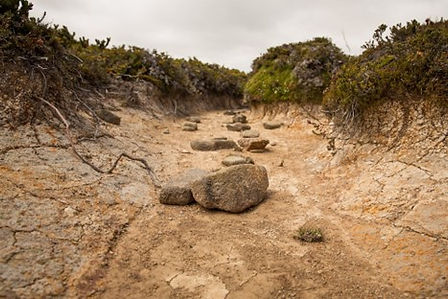
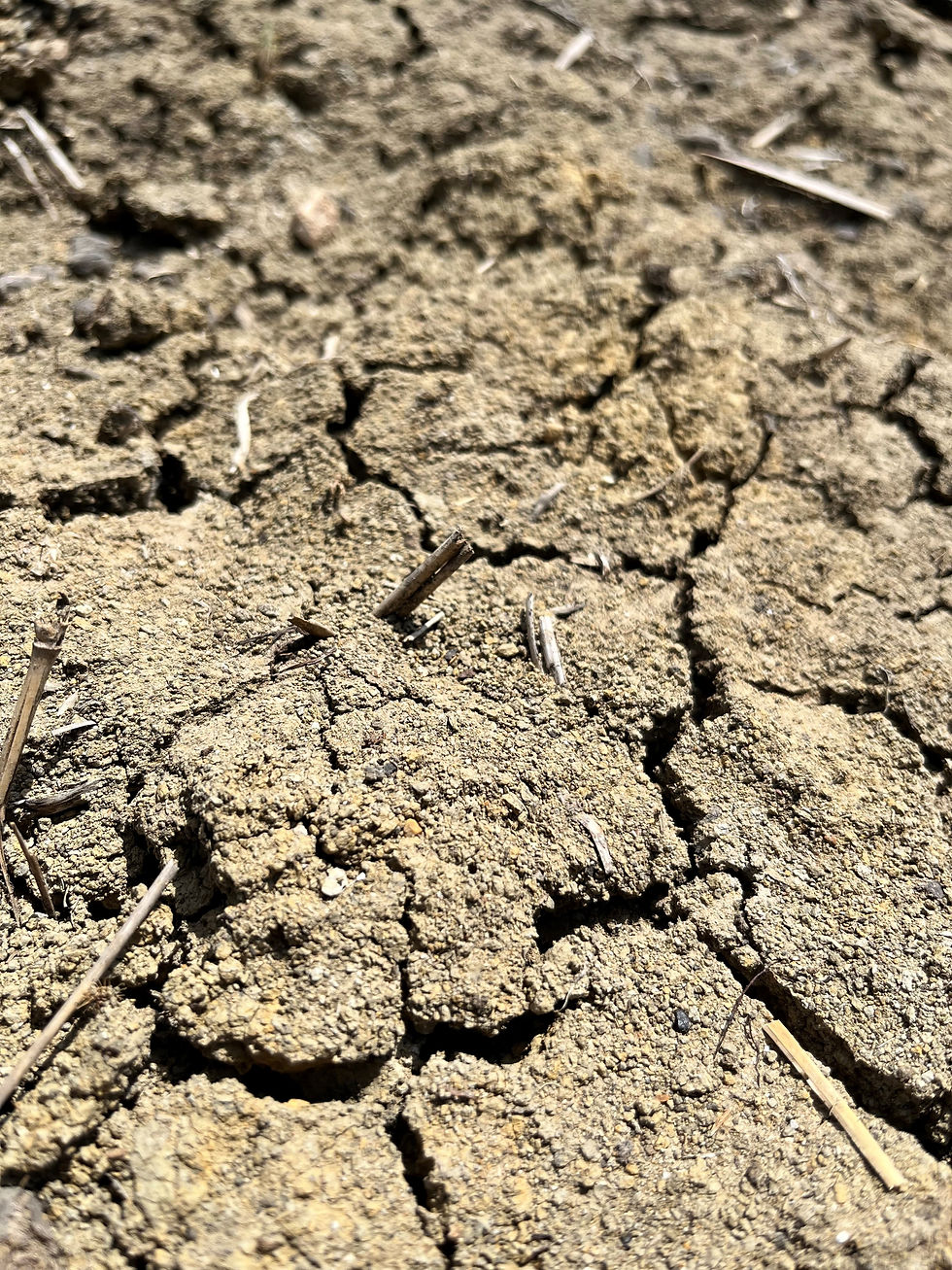
By July those of us in the continental U.S. are in the full swing of summer. For most, that means picnics, swimming, camping trips, family reunions…and sometimes drought conditions. For many people this means water restrictions limiting how often we can water our lawn, but when examining the broader picture, we can see that drought has far reaching consequences. Drought has the capacity to impact all people across the many facets of our economy, potentially stalling growth.


Water is a vital resource, a scarcity of it can cost some countries as much as 6% of their GDP. According to drought.gov, drought ranks third among environmental disasters, resulting in an average cost of about $9 billion per year making drought years extremely hazardous to our economy.

The most obvious and immediate effects of drought are found in our farmlands. The agriculture sector accounts for about half of all economic losses from drought. Without steady rainfall farmers will likely have a diminished harvest, creating a scarcity and increasing their costs as they are forced to use alternative methods in order to continue providing water. Through environmental and economic connections, this affects the food supply we see in our grocery stores, as well as feed for cattle and other livestock, which then increases the cost of meat and other animal products down through the supply chain. Beyond the current year’s drought, the lack of moisture damages the quality of soil, making it harder to grow healthy crops the following year, impacting future potential income of farmers.

The effect of drought on farmland doesn’t just end with food harvest or animals. Businesses that depend on farming, like tractor and farm equipment producers and sellers, also feel the pinch of losing business that a farmer can no longer afford or no longer needs due to damaged crops or lost livestock.


Farming is not the only industry that can experience the harsh impact of drought. Tourism and leisure businesses that are funded by water-based activities like boating, rafting, fishing, and even skiing suffer. When lakes, rivers, and reservoirs are low from a lack of rain or winter run-off these businesses experience decreased numbers and cancellations. Other waterfront type businesses that rely on tourism or seasonal visitors for their income like hotels, shops, and restaurants, will also experience the decline.

Where there is drought and dry wood and plants there are often wildfires. When this happens it can have an extended impact on the timber industry, which goes on to affect the cost of lumber, and ultimately the prices of the housing industry.

Droughts have an extensive reach that lie in the peripheral, all around, but not as quickly noticed. When water supplies dry up, the lack of moisture causes the ground to shrink. This contraction can damage structure foundations, roads, and water pipes, which puts added stress on personal, city, and business budgets. Power companies that rely on hydroelectric power face reduced energy production and even potential closures of facilities during extended periods of drought, resulting in higher energy costs for consumers. Water-based transportation like barges may have difficulty navigating in the low water levels of rivers and canals, which goes on to affect business that rely on those transports.

Droughts are more than just a dry period. All parts of our country are subject to droughts, not just out west in the deserts of Arizona, Nevada, Utah or California. Drought has the potential to greatly affect the economic standing of many people and businesses, making water management a key factor in economic growth and planning.

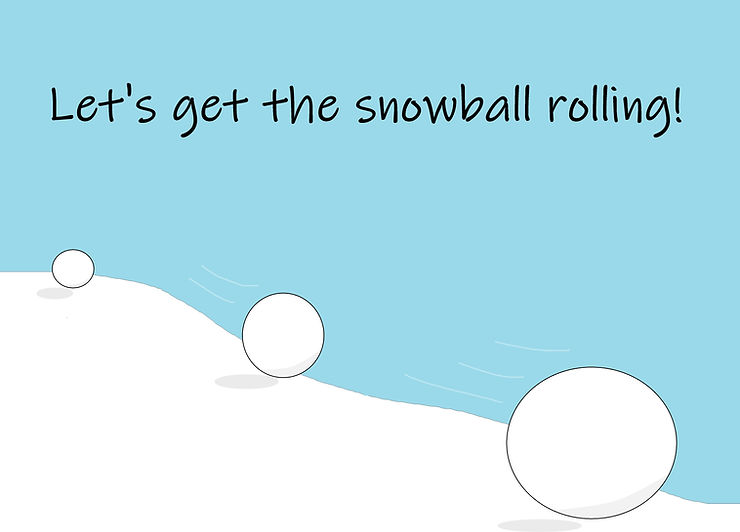
Photo 1 by Matt Palmer


120514_WWBrock_1

Wendell W. Brock, MBA, ChFC

Subscribe by Email

Follow Me

Most Popular Posts

Other Sites I Follow, hobbies, fun and info:

gold-vs-silver-1.jpg  Nauvoo Mint brokerage services for precious metals


john Mauldin chair

Note:

Outside Economics is not a registered investment advisory firm (RIA) and does not act as an RIA. Outside Economics does not provide any specific investment advice. Any information obtained from this website or through one of  Outside Economics' representatives should be reviewed by a professional.

Subscribers Note: We do not sell our email list. Period. Thank you for subscribing.

Recent Posts